

Bulk SMS for Government & Public Sector Citizen Alerts & Notifications India
Reach citizens with scheme notices, emergency alerts, health campaign messaging, exam results, and utility bill reminders on a DLT-compliant route built for public communication in India. Get Click Media provides priority broadcast infrastructure for government departments, PSUs, and municipal bodies. This improves citizen reach and cuts helpline call volume.
TRAI DLT registered · DND-exempt transactional route · India-hosted infrastructure · Priority emergency queue
76%
On-time utility bill payment rate (post-SMS)
34%
Reduction in grievance helpline calls
Minutes
Emergency alert broadcast time
₹0.09
Starting price per SMS
Trusted by 10,000+ businesses across India
















Bulk SMS for Government & Public Sector
An effective SMS workflow begins with the customer moment: what triggered the message, who should receive it, what action they need to take, and how the business will handle delivery failures, customer replies, or requests that need human follow-up.
Why Government & Public Sector Bodies in India Need Bulk SMS
The strongest implementations avoid treating every customer the same way. Segmenting messages by lifecycle stage, location, service status, account state, order status, appointment timing, or other relevant industry context can help make communication more useful and reduce unnecessary outreach.
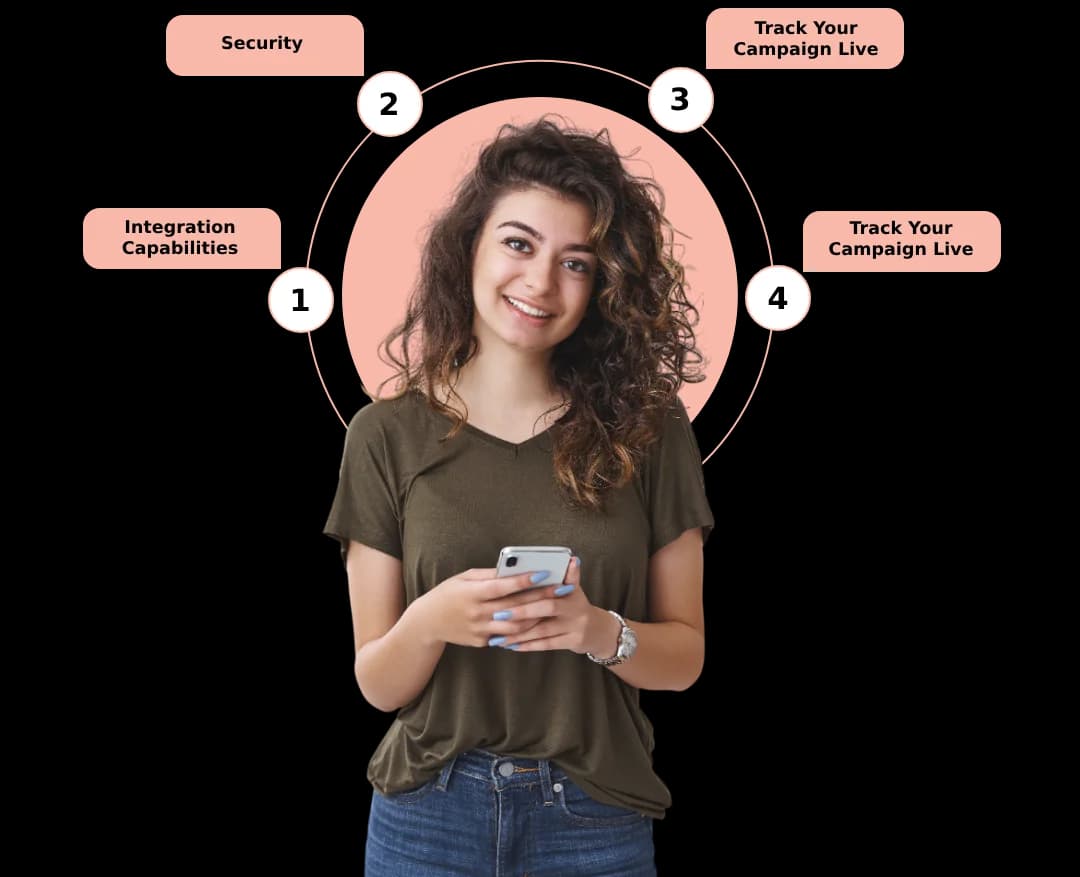
One dashboard for alerts, reminders and campaign broadcasts
Manage every citizen touchpoint from a single SMS dashboard connected to your department's civic or billing systems. That includes scheme announcements, emergency alerts, health campaign messaging, and utility bill reminders.
- Priority emergency broadcast queue
- Utility billing system integration
- Multi-department sender ID management
- Audit-trail logging for public accountability
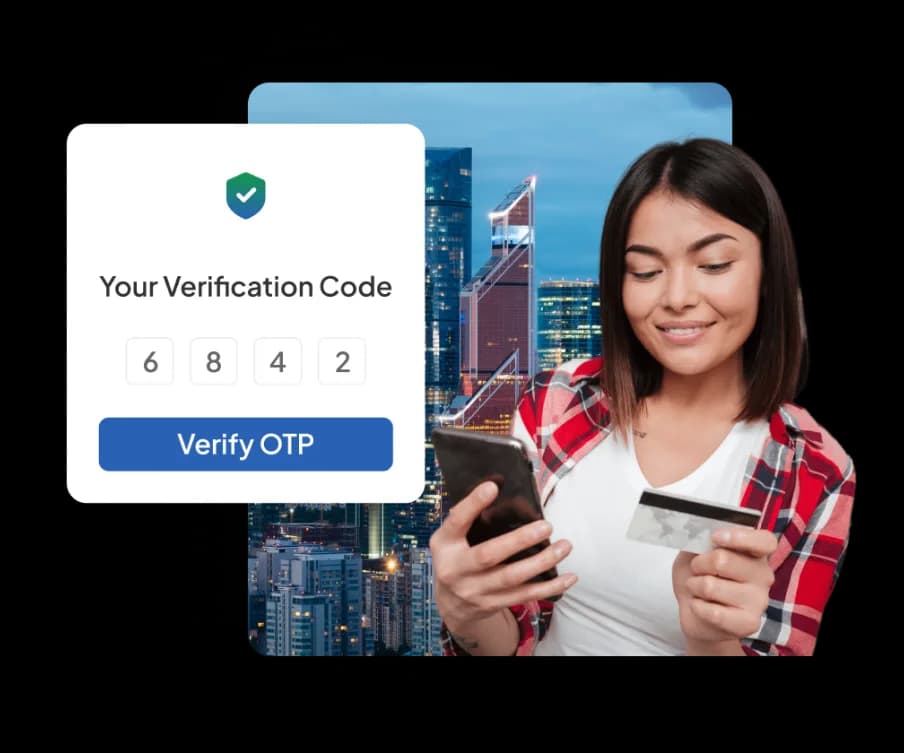
A priority route for time-critical public alerts
When a flood warning, disease outbreak, or public safety notice needs to reach an entire district or ward, priority broadcast routing ensures the message is queued ahead of routine traffic. This means citizens are informed as quickly as the network allows.
- Priority queue for emergency and disaster alerts
- District, ward, or citizen-list level targeting
- DLT-registered, DND-exempt transactional route
- Delivery reporting for post-event review
Bulk SMS Use Cases for Government & Public Sector- 7 Automations
These examples show common message triggers, message purposes, and operational goals for government & public sector organizations. Each workflow should be adjusted to the organization's customer lifecycle, consent position, service process, and compliance requirements.
Citizen Scheme & Announcement Notifications
Trigger: New public scheme, policy update, or department announcement is published. Message: Plain-language summary of the scheme or announcement with a link or office reference for details. Intended outcome: Wider, faster citizen reach than notice boards or newspaper announcements alone.
Emergency & Disaster Alert Broadcast
Trigger: Flood, cyclone, heatwave, or public-safety warning issued for a district or ward. Message: Immediate alert with the nature of the emergency and recommended citizen action. Intended outcome: Broadcast to large citizen lists on a priority queue for faster public reach.
Public Health Campaign Messaging
Trigger: Vaccination drive, health camp, or disease-awareness campaign scheduled. Message: Campaign dates, nearest center, and eligibility criteria in a single message. Intended outcome: Higher campaign turnout driven by direct, low-friction citizen reminders.
Exam Admit Card & Result Notifications
Trigger: Admit card released or result declared by the examination authority. Message: Immediate notification with a reference number or link to retrieve the document. Intended outcome: Reduced load on result-day web portals and faster candidate awareness.
Utility Bill & Payment Due Reminder
Trigger: Water or electricity bill generated, or due date approaching. Message: Amount due, due date, and connection number sent ahead of the deadline. Intended outcome: Higher on-time bill payment and fewer disconnection notices required.
Grievance Status Update
Trigger: Status of a citizen's grievance or complaint changes in the tracking system. Message: Current status- registered, under review, or resolved- with a reference number. Intended outcome: Fewer status-check calls to department helplines and higher citizen trust.
Public Application Deadline Reminder
Trigger: Deadline approaching for a public scheme, subsidy, or certificate application. Message: Deadline date and remaining steps to complete the application on time. Intended outcome: Higher application completion rate before the cutoff date.
Automated communication is most effective when it is connected to a real business event, such as an application update, missed appointment, payment status, delivery milestone, support request, or service renewal. This helps keep each message timely and relevant rather than generic.
Bulk SMS measurement examples for Government & Public Sector
The table below should be read as campaign, operational, or source-specific data—not a guaranteed outcome for every business. Actual performance depends on audience quality, message relevance, sender and template setup, timing, delivery conditions, downstream experience, and the methodology used to measure results.
| Metric | Baseline or previous process | Measured after implementation | Source or measurement context |
|---|---|---|---|
| Citizen notification reach (per broadcast) | Notice boards / print media | SMS to full registered citizen list | GCM public-sector client data |
| Emergency alert broadcast delivery | Hours (manual outreach) | Minutes (priority SMS broadcast) | GCM disaster-alert broadcast data |
| Utility bill on-time payment rate | 58% | 76% (SMS reminder sequence) | GCM municipal utility client data |
| Grievance status-check helpline calls | 100% manual inquiry | 34% reduction | GCM civic-grievance platform data |
| Exam result-day portal load complaints | High on result day | Reduced via direct SMS notification | GCM education-board client data |
Citizen notification reach (per broadcast)
- Baseline or previous process
- Notice boards / print media
- Measured after implementation
- SMS to full registered citizen list
- Source or measurement context
- GCM public-sector client data
Emergency alert broadcast delivery
- Baseline or previous process
- Hours (manual outreach)
- Measured after implementation
- Minutes (priority SMS broadcast)
- Source or measurement context
- GCM disaster-alert broadcast data
Utility bill on-time payment rate
- Baseline or previous process
- 58%
- Measured after implementation
- 76% (SMS reminder sequence)
- Source or measurement context
- GCM municipal utility client data
Grievance status-check helpline calls
- Baseline or previous process
- 100% manual inquiry
- Measured after implementation
- 34% reduction
- Source or measurement context
- GCM civic-grievance platform data
Exam result-day portal load complaints
- Baseline or previous process
- High on result day
- Measured after implementation
- Reduced via direct SMS notification
- Source or measurement context
- GCM education-board client data
Review source notes carefully. If a number is not supported by a named study, client-approved report, internal measurement period, or documented methodology, present it as an operational target or example rather than a verified benchmark.
Build a more reliable SMS workflow for Government & Public Sector
A bulk SMS program is more than a sender ID and a message template. It should connect a clearly defined business event to a relevant audience, a compliant communication path, and a measurable operational outcome.
Define the business trigger
Identify the event that sends the message, the source system, the intended recipient, and the next action required.
Write for clarity and action
Keep the message recognizable, concise, and specific about what happened, what the recipient should do, and where they can get help.
Prepare compliance and support
Confirm DLT setup, approved headers and templates, consent handling where needed, reporting, and escalation paths for exceptions.
Get Click Media's Bulk SMS Capabilities for Government & Public Sector
These capabilities support the practical work behind SMS communication: managing sender setup, organizing message flows, tracking delivery, connecting data sources, and helping teams review and improve their communication over time.
Civic & billing system integration
API and file-based integration with municipal billing, grievance-tracking, and examination systems for automated triggers
DLT-registered government sender ID
Sender IDs and templates registered on TRAI DLT with transactional routing for service and emergency messages
India-hosted infrastructure
Delivery infrastructure hosted in India with audit-trail logging for public-sector accountability and review
Priority emergency broadcast queue
Dedicated priority routing for time-critical emergency and disaster-alert broadcasts to large citizen lists
Scheduled campaign broadcasting
Schedule public health, awareness, and deadline-reminder campaigns in advance across large recipient lists
Multi-department sender management
Manage multiple approved sender IDs across departments or municipal wards from a single dashboard
The exact capabilities required depend on your message volume, channel strategy, team workflow, existing systems, DLT setup, and the level of automation needed for your customer communication.

One message could
change your business.
Big or small, we power communication for all- talk to us today.
Bulk SMS for Government & Public Sector
These answers address common questions about planning, setting up, and using bulk SMS. Requirements may vary according to your industry, message type, DLT status, consent process, sender configuration, and technical workflow.
Bulk SMS for government and public sector communication is the sending of scheme notices, emergency alerts, public health advisories, exam results, and utility bill reminders to large citizen lists over the standard mobile network. It reaches every handset regardless of smartphone ownership or internet access. That makes it the most inclusive channel for public communication across urban and rural populations alike.
Yes- government departments, PSUs, and municipal bodies can broadcast emergency and disaster alerts to large citizen lists using a DLT-registered transactional sender ID, which is exempt from DND filtering. Get Click Media supports priority broadcast queues so time-critical alerts such as flood, cyclone, or public safety warnings reach recipients as fast as the route allows.
Water and electricity boards can trigger an SMS reminder automatically when a bill is generated or a due date approaches, referencing the consumer's account or connection number and the amount due. Because these are service messages to an existing account holder, they qualify for the DND-exempt transactional route, and Get Click Media integrates directly with billing systems so reminders fire without manual effort.
Every government or public-sector sender ID and message template must be registered on the TRAI DLT platform against the issuing entity before it can send SMS in India. Transactional content such as bill reminders, admit cards, and emergency alerts is registered on the DND-exempt route, while any promotional or awareness-campaign content is registered separately and follows standard DND rules.
Yes- public education boards and examination authorities can use bulk SMS to notify candidates the moment an admit card is released or a result is declared, along with a link or reference number to retrieve the document. This reduces load on result-day web portals and reaches candidates in areas with limited internet bandwidth, since the notification itself requires no data connection.
No- Get Click Media offers bulk SMS as a general-purpose communication capability that any government department, PSU, municipal body, or public agency can subscribe to through the same DLT-registered platform used by private businesses. It is not tied to, and does not imply, any specific government scheme, portal, or official endorsement.
Related Bulk SMS Resources
Explore supporting product pages, implementation guides, pricing information, industry resources, and compliance material to make a more informed decision about your SMS communication strategy.
Ready to strengthen citizen communication with bulk SMS?
Get Click Media provides DLT-compliant bulk SMS for government departments, PSUs, and municipal bodies with priority emergency broadcast infrastructure across India.